

Influence-Led Software
The future of software will be dictated by cult leaders.

Over the last decade, getting a new consumer product company off the ground has become easier than ever — thus those with proprietary distribution channels have won. This is why every CPG company partners with influencers and why every celebrity now has their own company — they can distribute these products to their cult following at a $0 CAC. When Hailey Bieber launched a phone case, she posted a series of selfies to influence her followers to purchase the product rather than paying for ads on IG. Kim Kardashian has also done this incredibly well, leveraging the world she has built to pull her following into the Skims universe.

The cost of building software products continues to decline, and thus I expect a similar phenomenon to occur where software entrepreneurs will build cult followings to have their own proprietary distribution channels, producing a gravitational pull of attention to stand out among the increasing flood of software products. In an age of abundance, targeted influence will be the new moat.
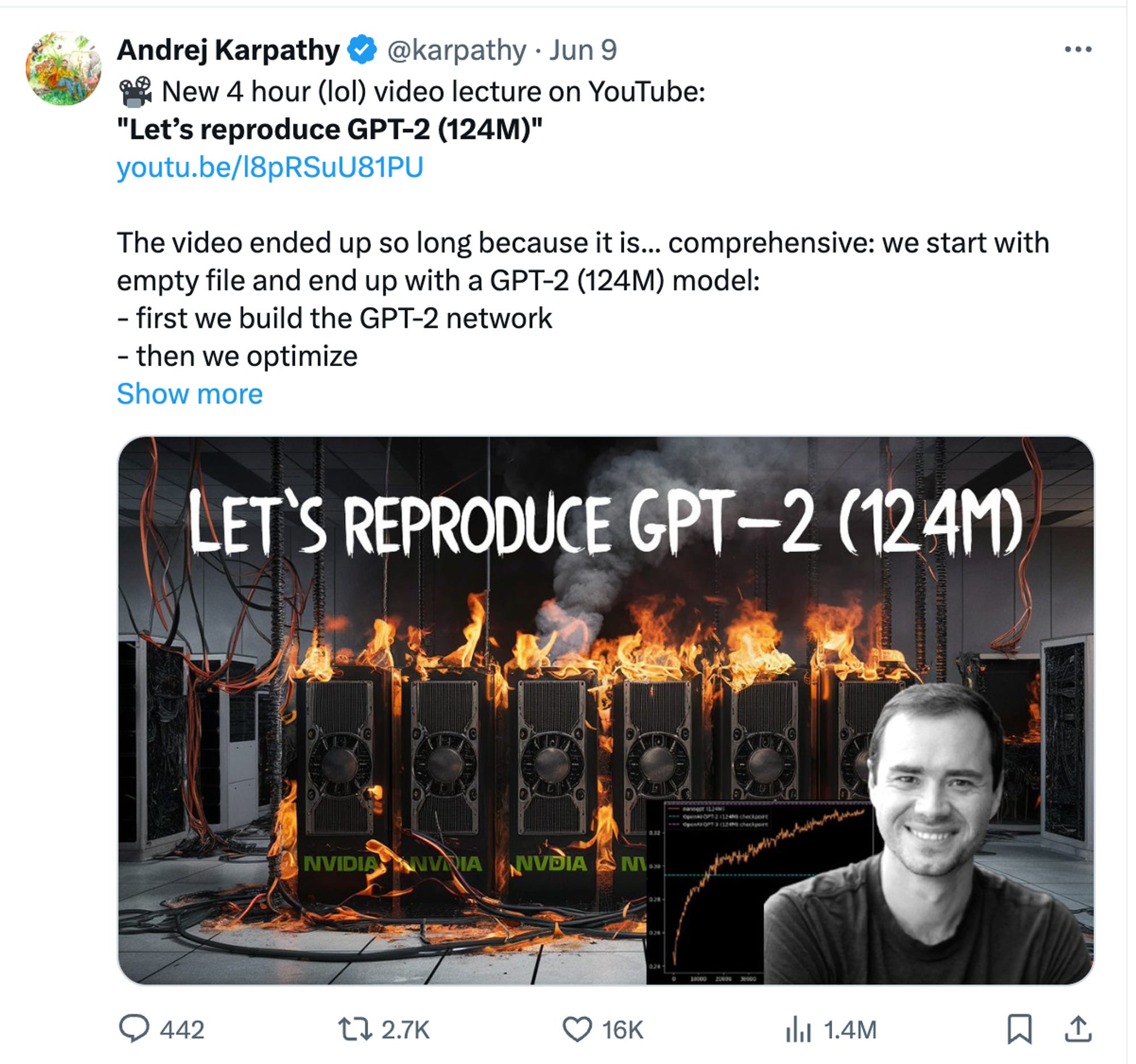
Consider Andrej Karpathy's approach. His educational content isn't just altruistic—it's strategically building a community of AI enthusiasts who will likely become early adopters of his future ventures, including his new education company Eureka.
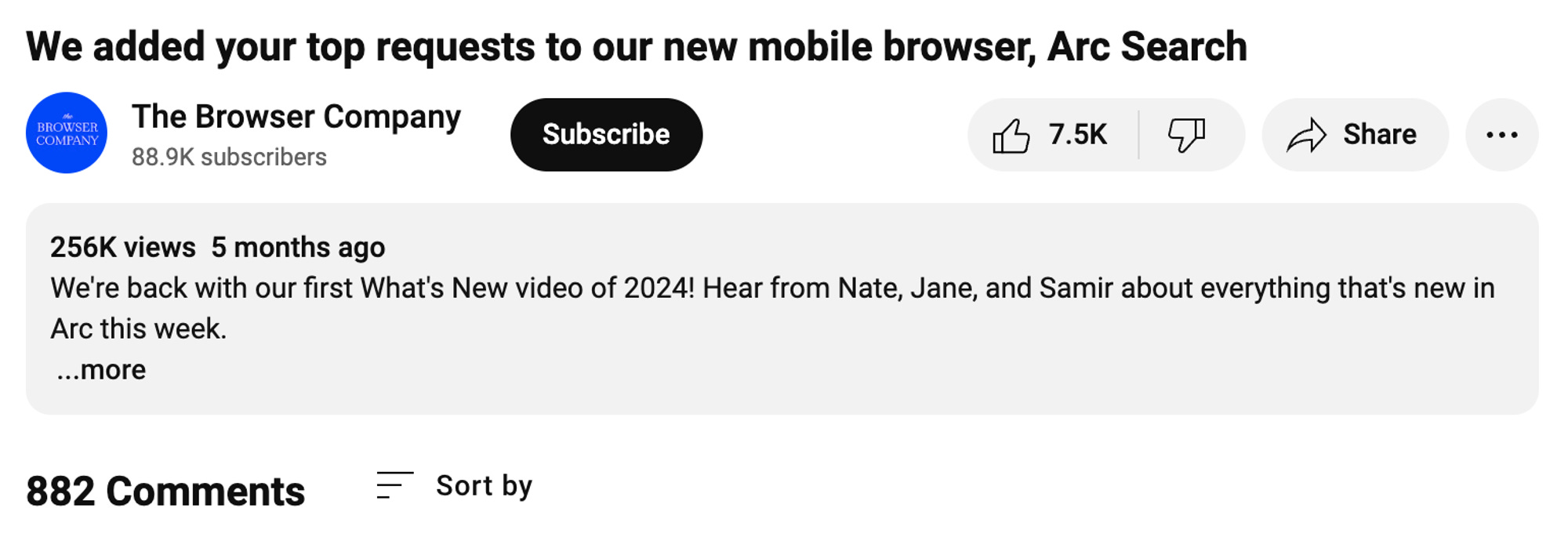
Or look at The Browser Company, which isn't simply building in public—they're creating a feedback loop with users who feel personally invested in the product's success. I’ve never seen hundreds of comments from viewers regarding a product update, ever.
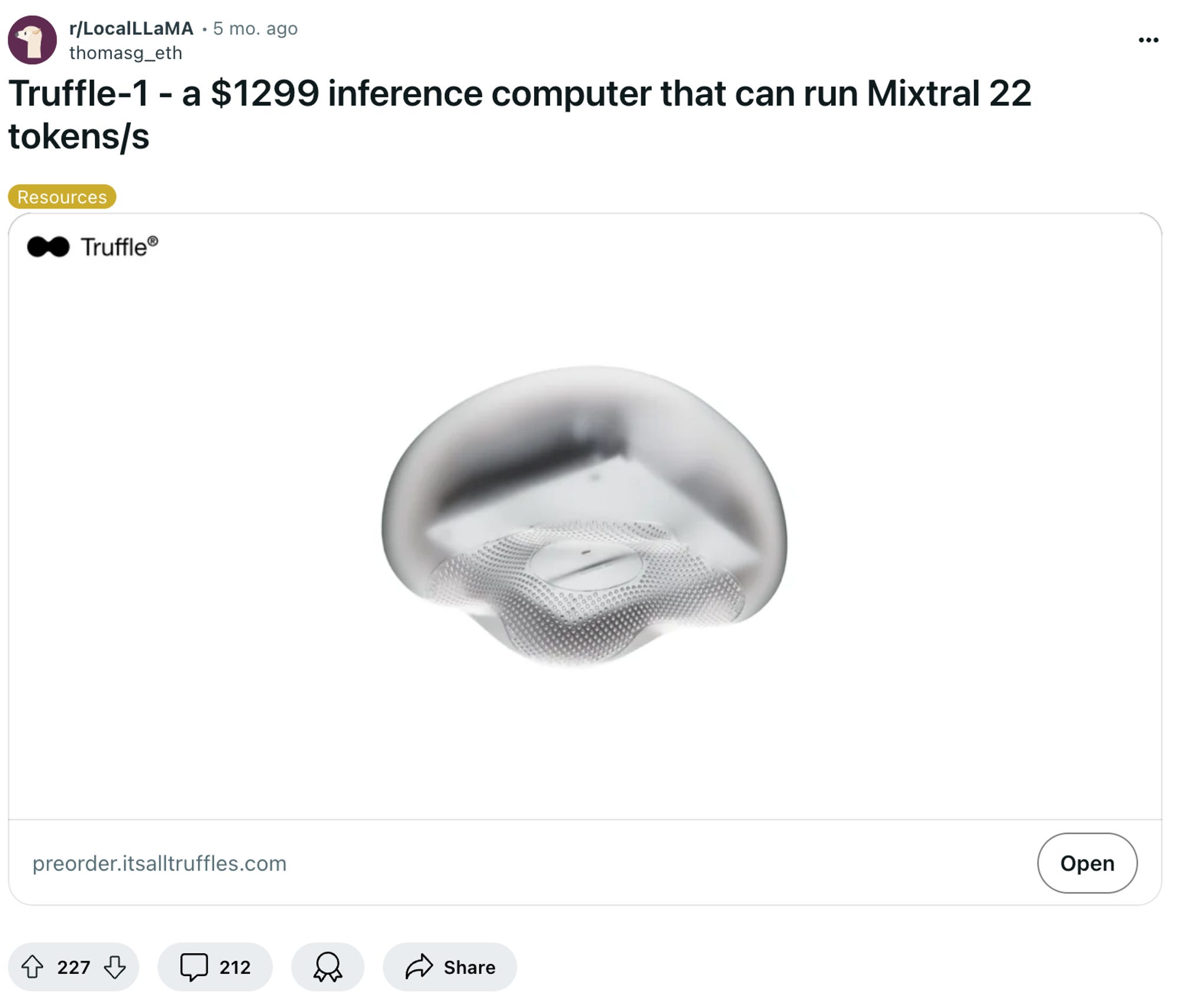
Or Simp4Satoshi, who has created a persona on X to build a cult following — where now everyone in the r/LocalLLaMA subreddit knows who he is and redditors share company updates on their behalf.
The channels these entrepreneurs create will be different — and some might even be private. Perhaps the only way to succeed as an enterprise AI app when we now have tens of new and old startups competing for the same customers in the same specific vertical is to have a founder who is an influencer amongst all of the end buyers of the product — take Bret Taylor for example, who is off to a blazing start with his new AI customer experience company, Sierra, vs. smaller upstarts. Similarly, Paul Klein is becoming the “headless browser guy” in a circle of entrepreneurs pushing the capabilities of LLMs to the extreme — inspiring developers to imagine new apps to be built on top of Browserbase’s infrastructure.
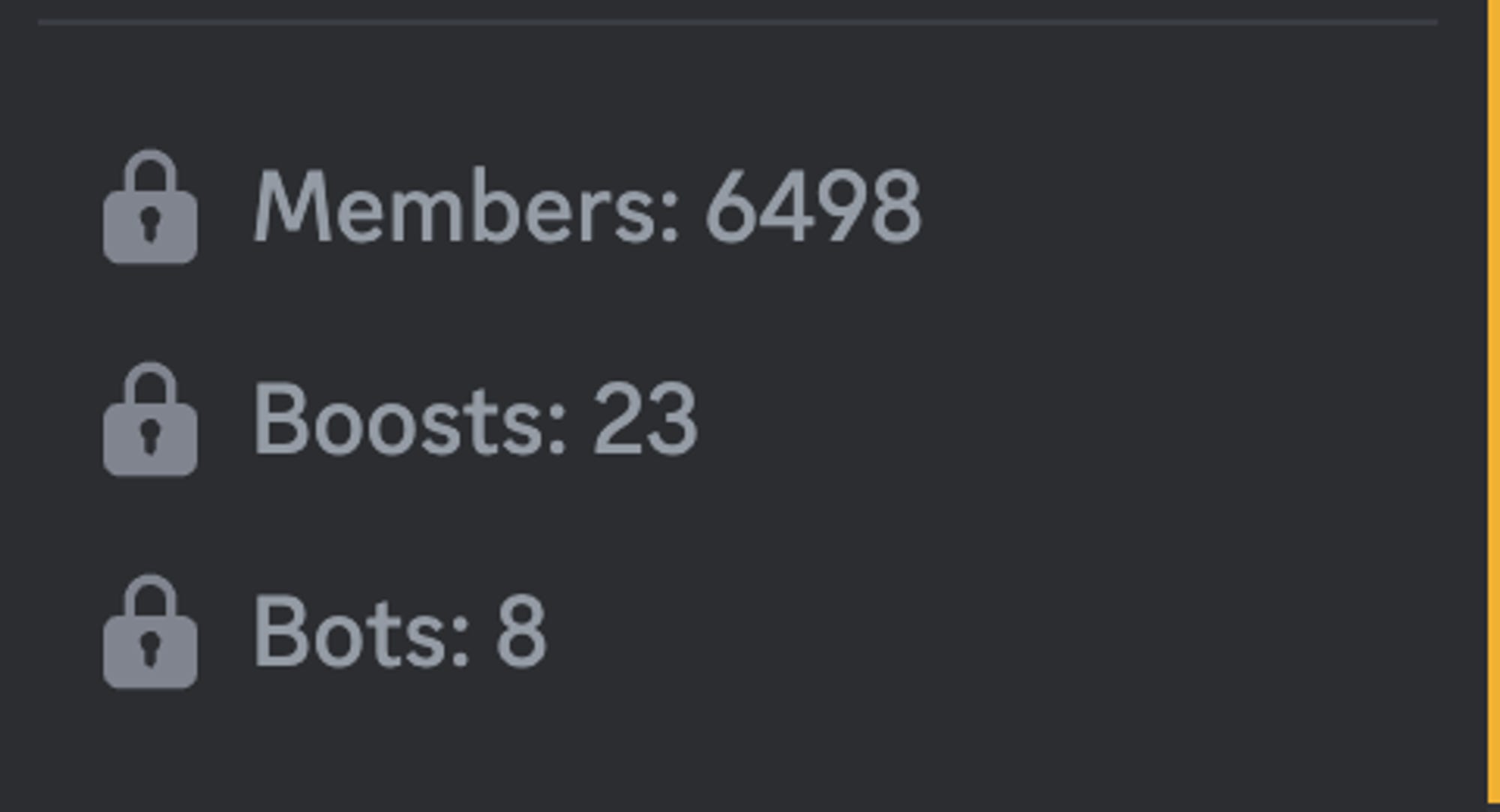
These channels can also be networks vs. audiences — for example there is one founder I am working with who has 6,000+ people in his Discord group — everyone from customers, researchers, potential hires, supporters, etc. interacting with one another. How value gets created with software is changing in real time — you may no longer need a monolithic software product to create value but rather do so by empowering workers with 10x software tools to complete work on their behalf of customers (insert “Services as Software” meme). A proprietary network will be a competitive advantage in that paradigm.
If a founder can indeed build a cult following and distribute software through this proprietary channel, the important question will be: can they contain their ego to focus on winning vs. vanity? There is a fine line between founders who have ego to win vs. just proving that they are right, and my bet is on the former to succeed.